
What Are the Different Types of Bearings? A Complete Guide for Automotive & Industrial Applications
Learn about the different types of bearings, their structures, and applications in automotive, truck, and industrial systems.
What Are Bearings?
Bearings are essential mechanical components designed to reduce friction, support loads, and enable smooth motion between moving parts. They are widely used in automotive, industrial machinery, agricultural equipment, and engineering vehicles.
Understanding the different types of bearings helps engineers, wholesalers, and aftermarket professionals select the right solution for specific applications.
Main Types of Bearings
1. Ball Bearings
Ball bearings use spherical rolling elements to reduce friction between moving parts. They are suitable for applications requiring high-speed rotation and moderate load capacity.
Common applications:
-
Electric motors
-
Industrial machinery
Advantages:
-
Low friction
-
High speed capability
-
Simple structure
2. Roller Bearings
Roller bearings use cylindrical or tapered rollers instead of balls, allowing them to carry heavier loads.
Types include:
Common applications:
-
Trucks and trailers
-
Gearboxes
-
Construction and agricultural machinery
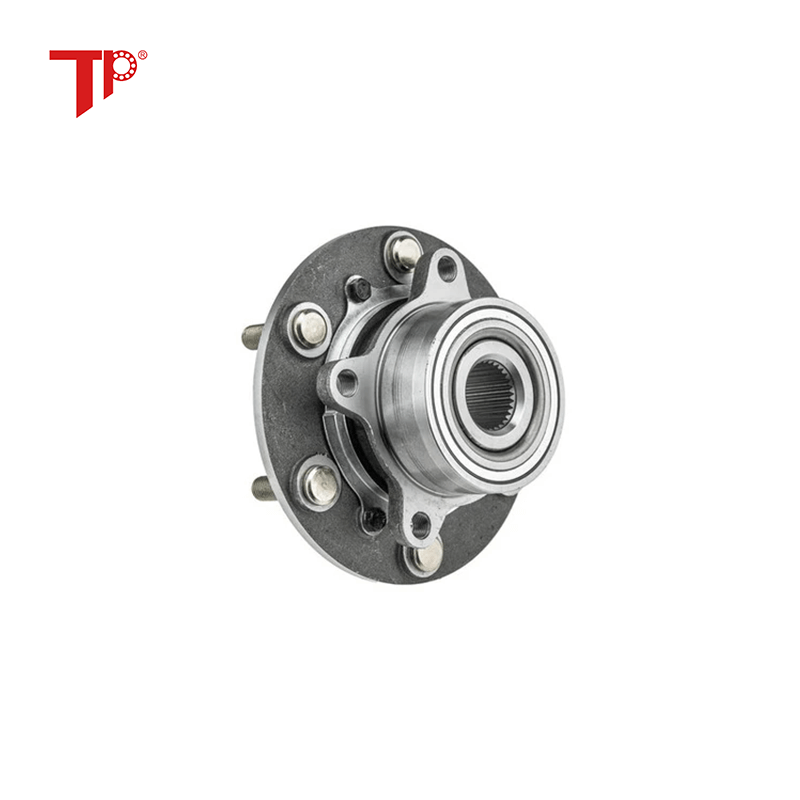
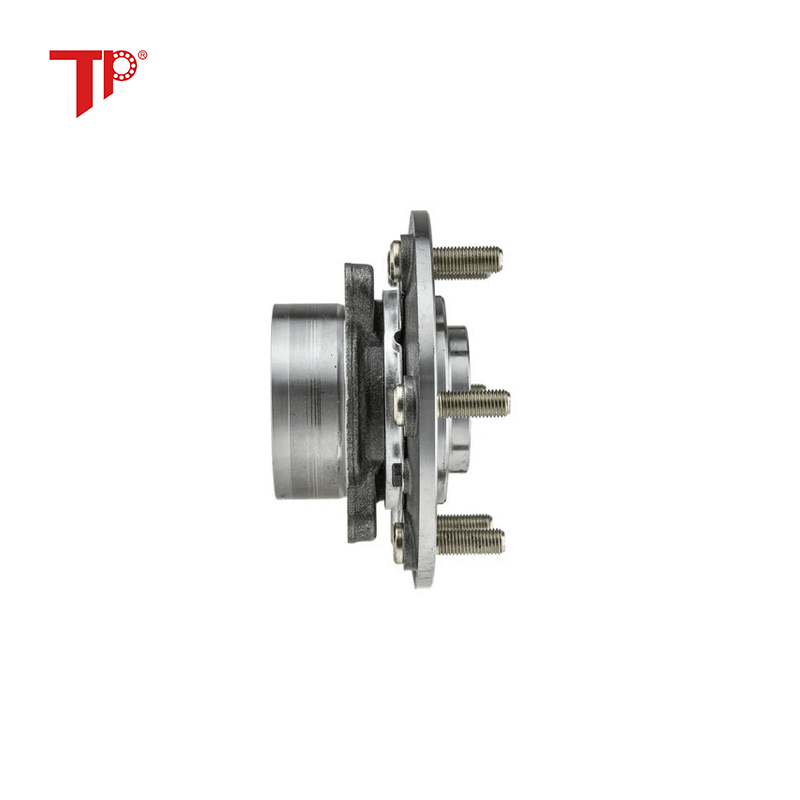
3. Wheel Hub Bearings & Hub Units
Wheel hub bearings integrate the bearing, hub, and sometimes ABS sensors into one assembly.
Applications:
-
Passenger cars
-
SUVs
-
Commercial vehicles
Advantages:
-
Easy installation
-
High reliability
-
Reduced maintenance
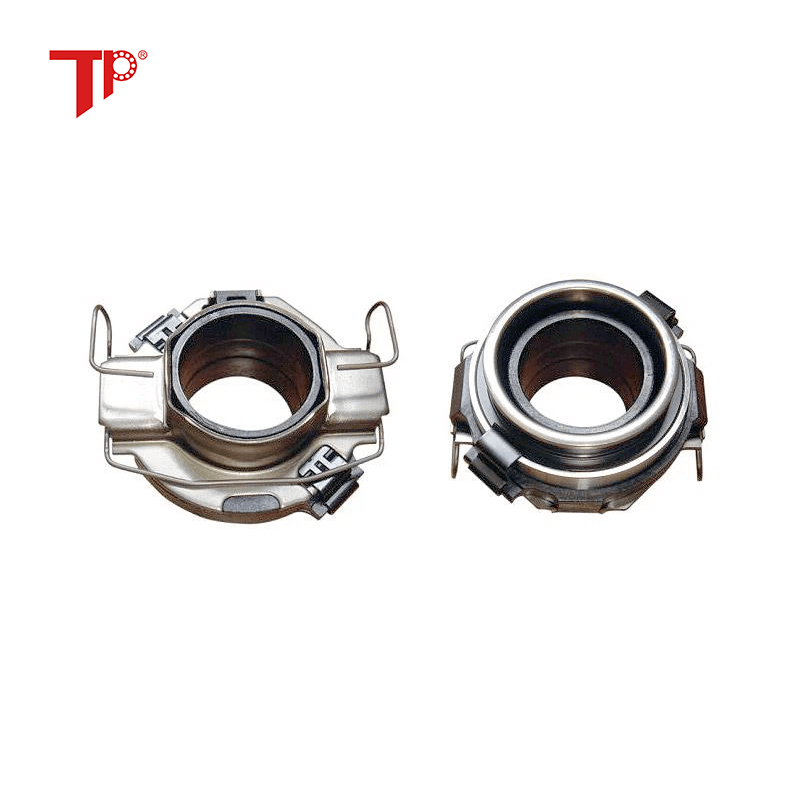
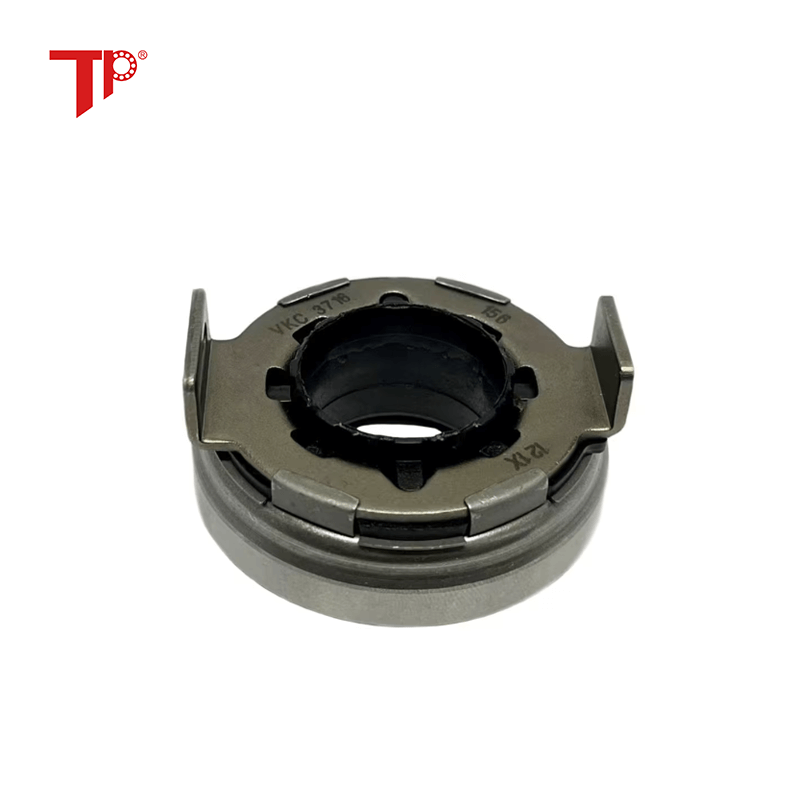
4. Clutch Release Bearings
Clutch release bearings transfer force from the clutch pedal to the pressure plate.
Applications:
-
Manual transmission vehicles
Key features:
-
High-temperature resistance
-
Smooth axial movement
- Long service life
-
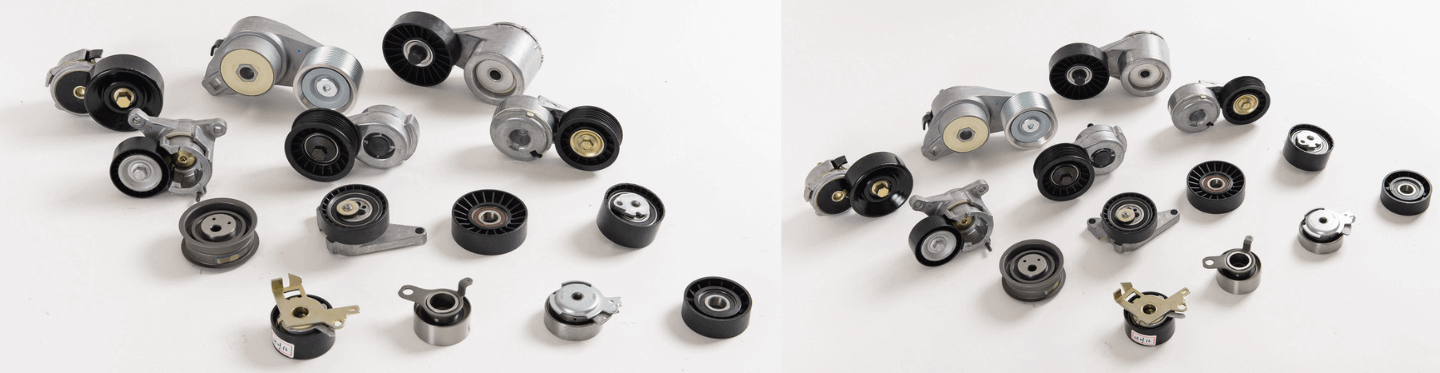
5. Tensioner & Idler Bearings
These bearings are used in belt drive systems to maintain proper belt tension.
Applications:
-
Engine timing systems
-
Auxiliary belt systems
6. Center Support Bearings
Center support bearings support the driveshaft in rear-wheel and all-wheel-drive vehicles.
Applications:
-
Passenger cars
-
Light trucks

Choosing the Right Bearing Type
Selecting the right bearing depends on:
-
Load capacity
-
Rotational speed
-
Operating environment
-
Installation requirements
Professional bearing manufacturers can provide customized solutions based on specific vehicle models or equipment needs.
There are many different types of bearings, each designed for specific mechanical and automotive applications. Choosing the correct bearing type is critical for performance, durability, and safety.
At Trans Power, we offer a wide range of automotive bearings and customized bearing solutions for global aftermarket customers.
If you have any needs, welcome contact us anytime.
Post time: Jan-29-2026


